
ASRS
ASRS
What is an ASRS and how can it be a benefit for your warehouse?
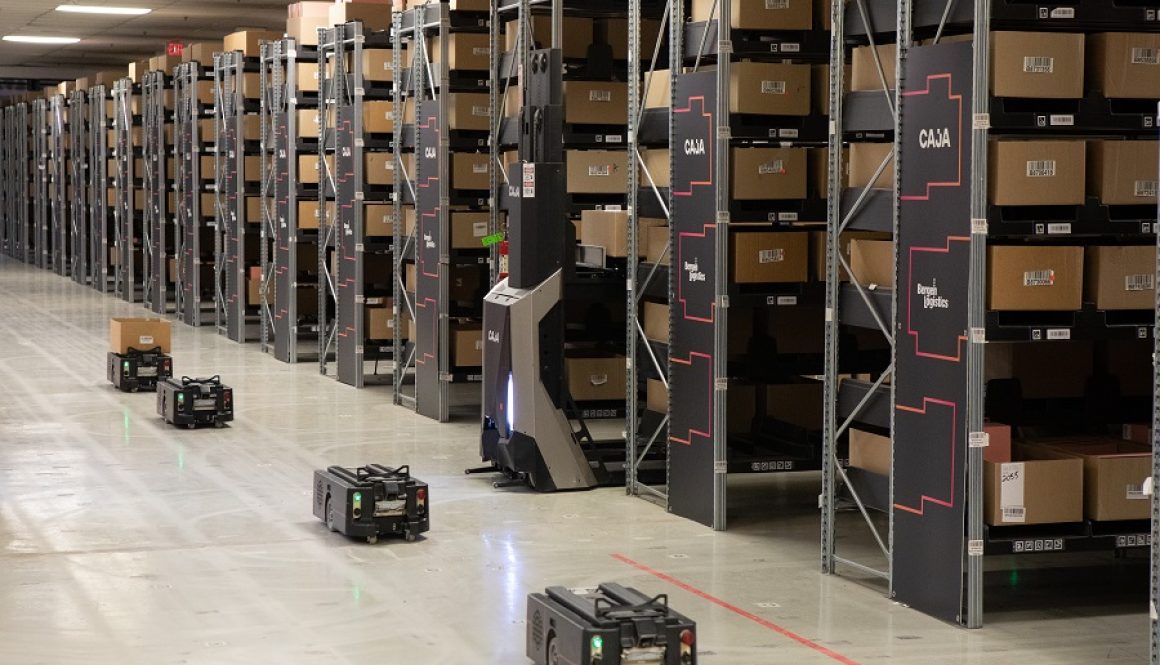
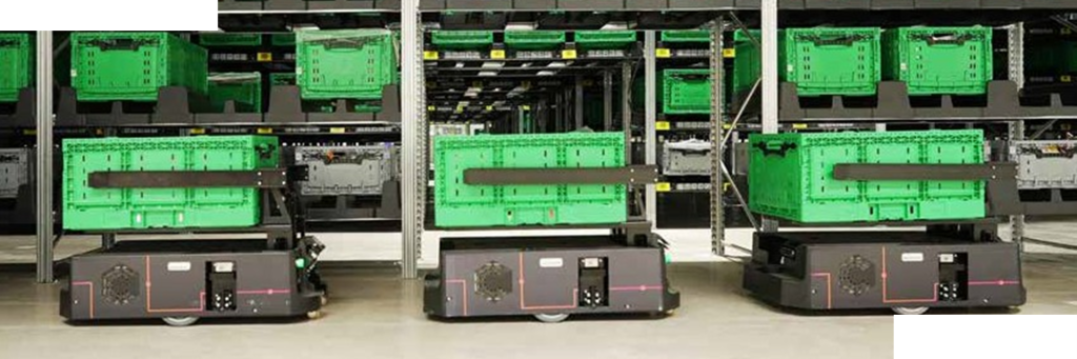
If you manage a warehouse, it’s important to be always on the lookout for ways to improve efficiency and productivity. One way to do this is to invest in an Automated Storage and Retrieval System, or ASRS. ASRS systems are computer-controlled systems that can automatically store and retrieve items from designated locations within a warehouse. In this blog post, we’ll take a closer look at ASRS systems and how they can benefit your warehouse operation.

ASRS work
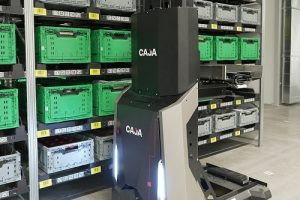
An ASRS typically consists of three main components: an input/output device (I/O), a storage device, and a retrieval device.
The I/O is used to input data into the system about the items to be stored or retrieved. The storage device is where the items are actually stored. This can be anything from racks to bins to shelves. The retrieval device is what is used to move items from the storage device to the I/O for retrieval.
There are two main types of ASRS systems: unit load and smaller item. Unit load systems are typically used for larger items that are too big or heavy to be moved by hand, such as pallets or heavy machinery parts. Smaller item systems are used for smaller items that can be moved by hand, such as boxes or individual products.
The benefits of an ASRS
There are many benefits that come with investing in an ASRS for your warehouse operation. Some of these benefits include:
• Increased Efficiency: One of the biggest benefits of an ASRS is that it can help increase the efficiency of your warehouse operation. With an ASRS in place, you can be sure that your employees are spending less time walking around looking for items and more time actually working. This can lead to increased productivity and shorter order fulfillment times.
• Reduced Costs: An ASRS can also help reduce costs associated with your warehouse operation. For example, because ASRS systems can store items more densely than traditional storage methods, you’ll need less space to store the same amount of inventory. This can lead to lower rental or ownership costs for your warehouse space. Additionally, ASRS systems often require less labor to operate than traditional storage methods, which can lead to lower labor costs.
• Improved Safety: Another benefit of using an ASRS in your warehouse is improved safety for your employees. Because employees will spend less time walking around looking for items, they’ll be less likely to sustain injuries from slips, trips, and falls. Additionally, because many ASRS systems allow employees to stay on one level while working (as opposed to using ladders or lifts), they’ll be exposed to less risk of injury from falling objects.
Conclusion
If you manage a warehouse, you should consider investing in an Automated Storage and Retrieval System (ASRS). An ASRS can help increase the efficiency and productivity of your operation while also reducing costs and improving safety for your employees.
Contact us
Automate your warehouse now
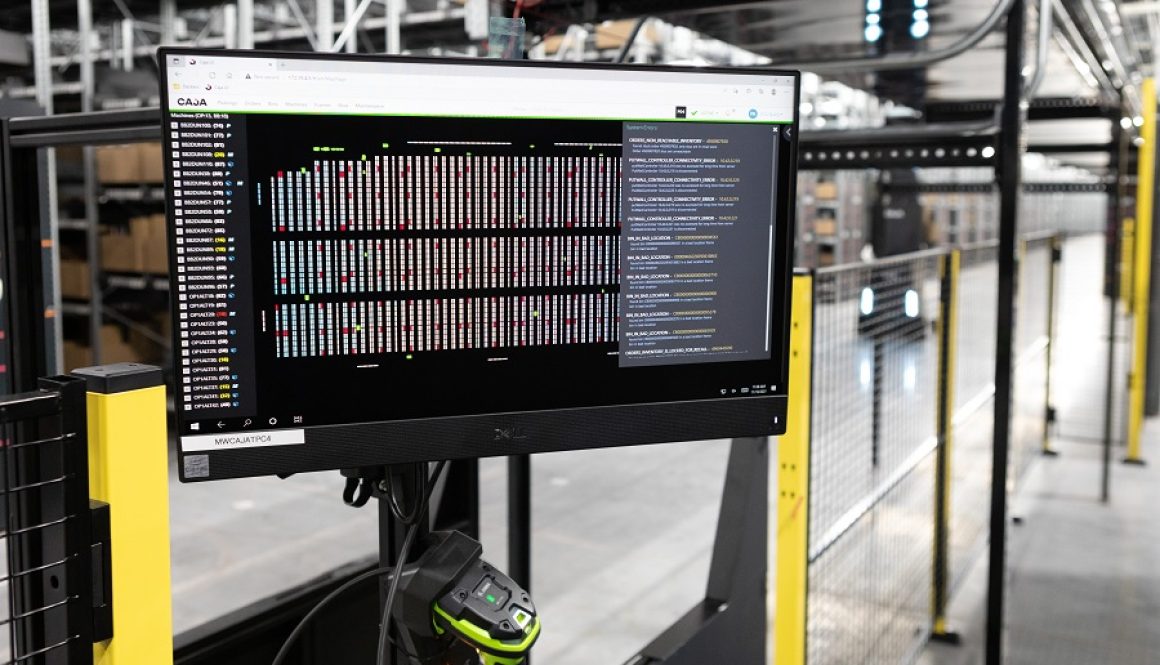
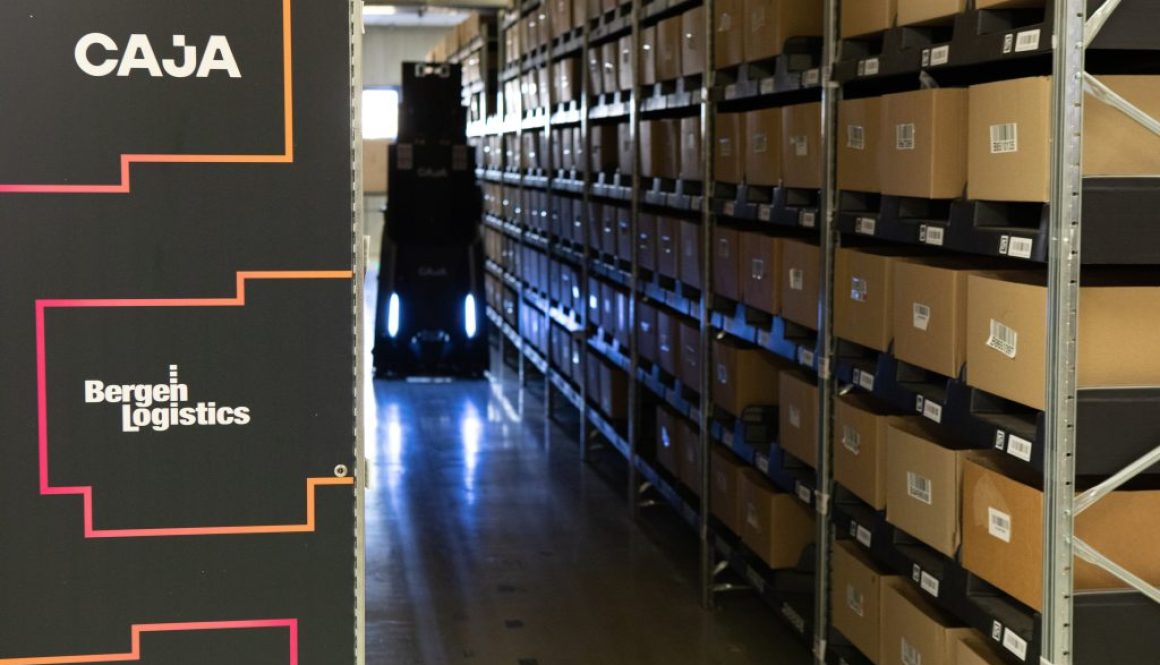
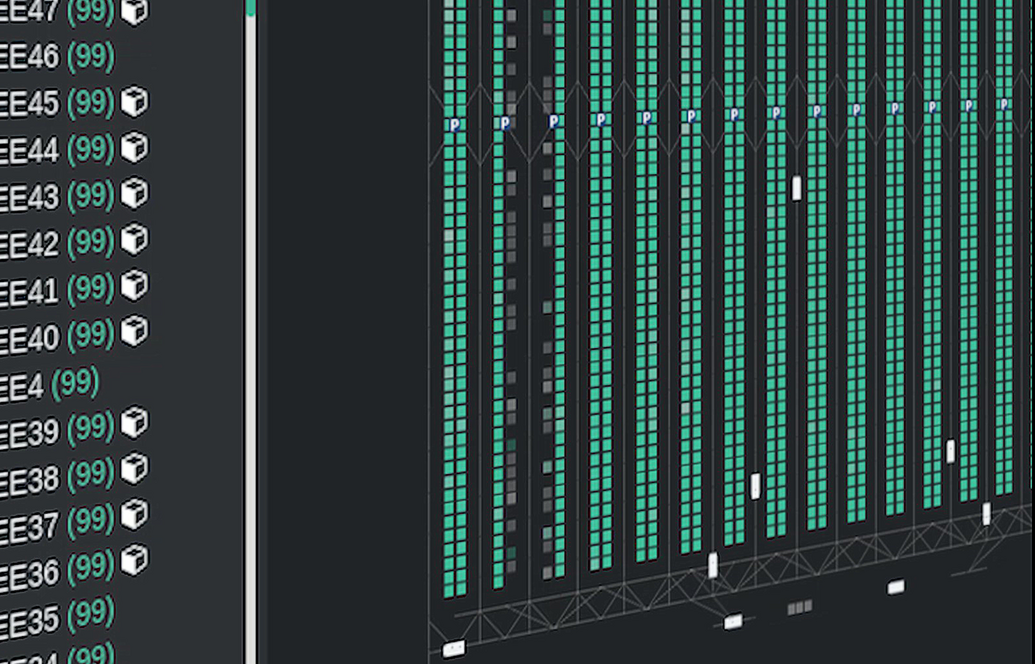

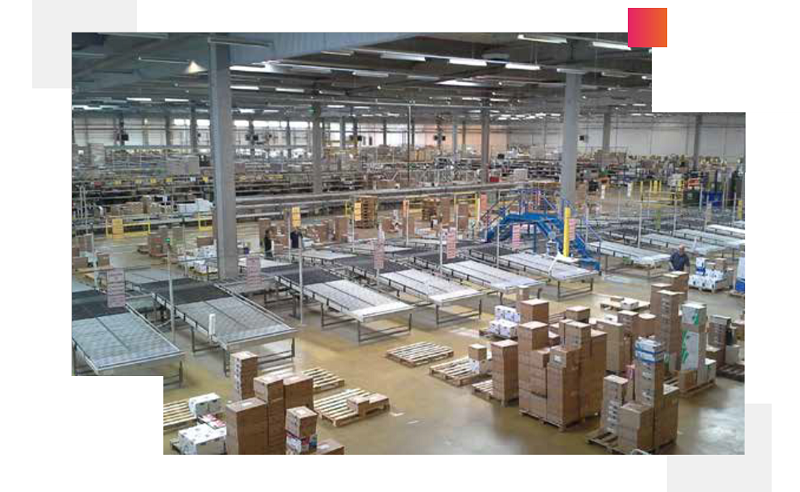
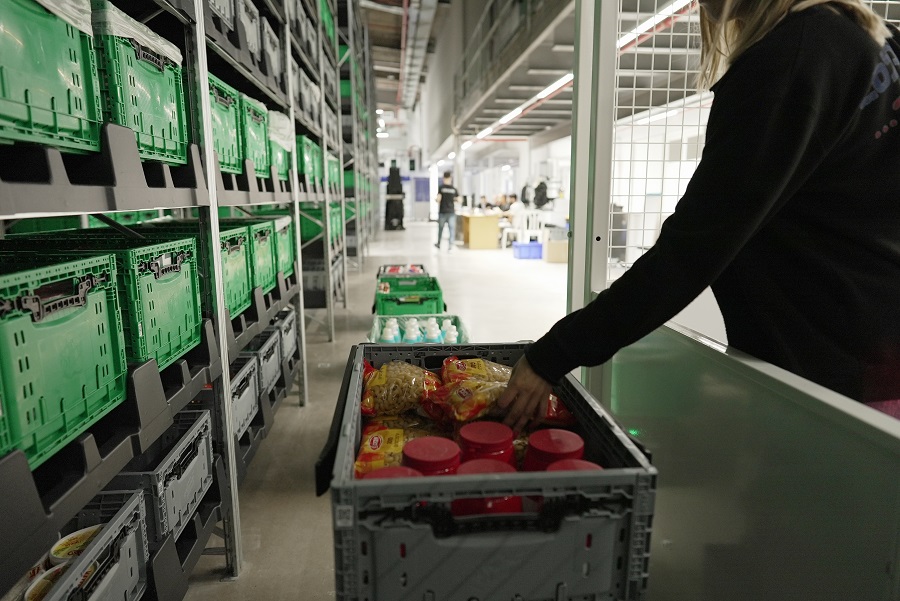
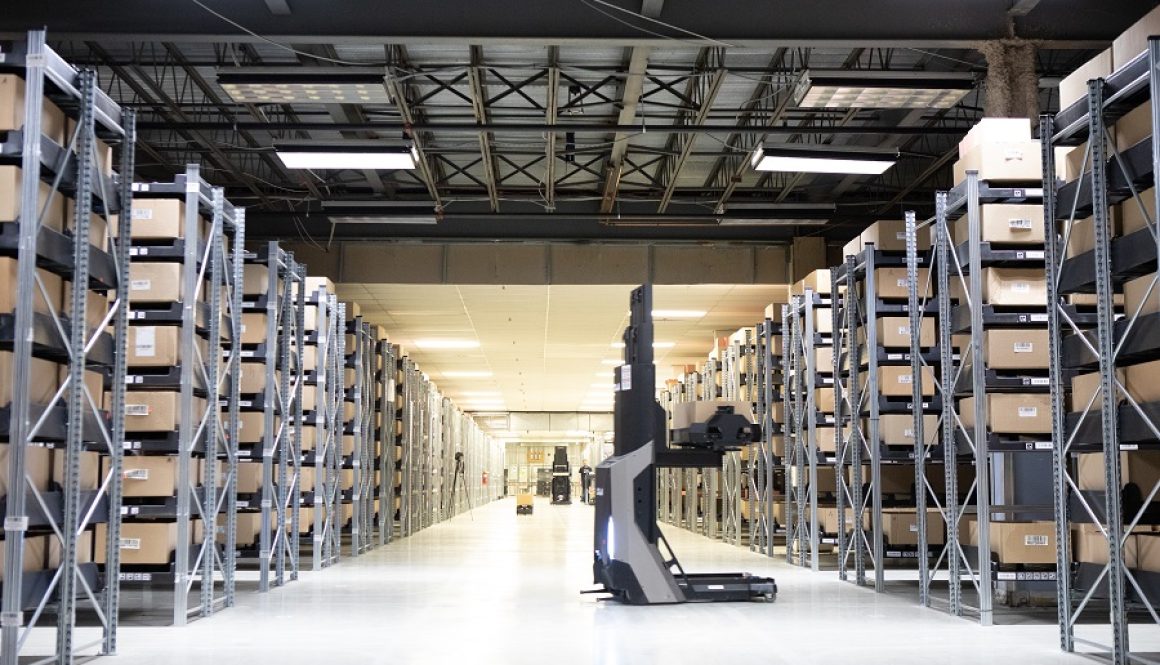
 One of your first considerations should be how you plan to build your automated warehouse. Greenfield refers to new builds on undisturbed land, and brownfield describes the continuation of existing projects on a site that has already been built.
 In order to begin automating your warehouse, you’ll need to consider the operations going on within it first. Is your warehouse omnichannel? Retail? eCommerce? 3PL?
 Automating your warehouse allows you to improve traceability, reduce the need for manual labor, and lower operational costs, especially during the inbound process. Starting from verifying inventory when it arrives and all the way until it reaches the storage area, you’ll want a solution that can handle inventory as it arrives and check it and scan it in the most efficient way possible.
 Another thing to consider before automating your warehouse is your product specifications. The volume and weight of your product may affect the types of robots and software solutions that your warehouse will need.
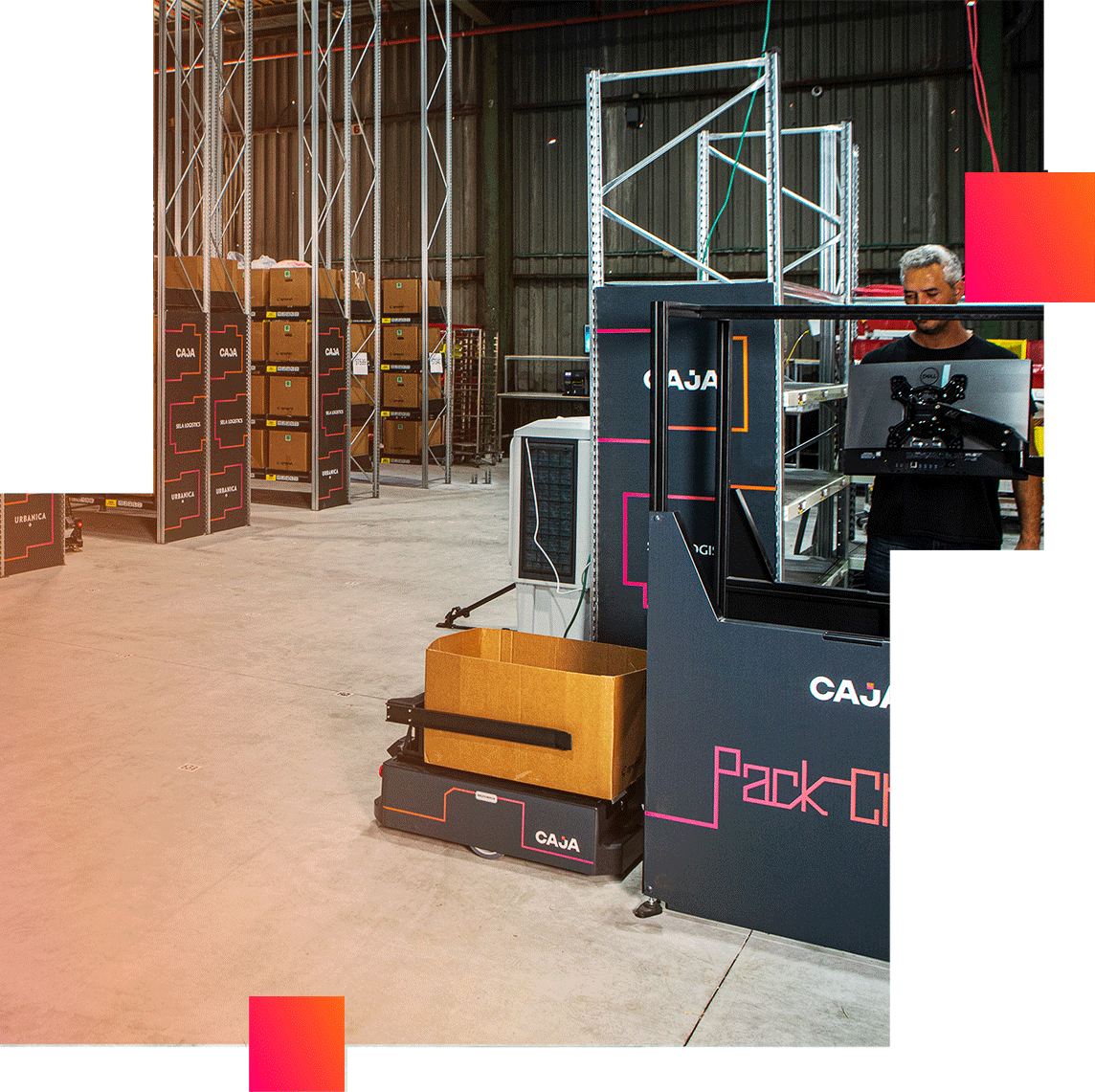
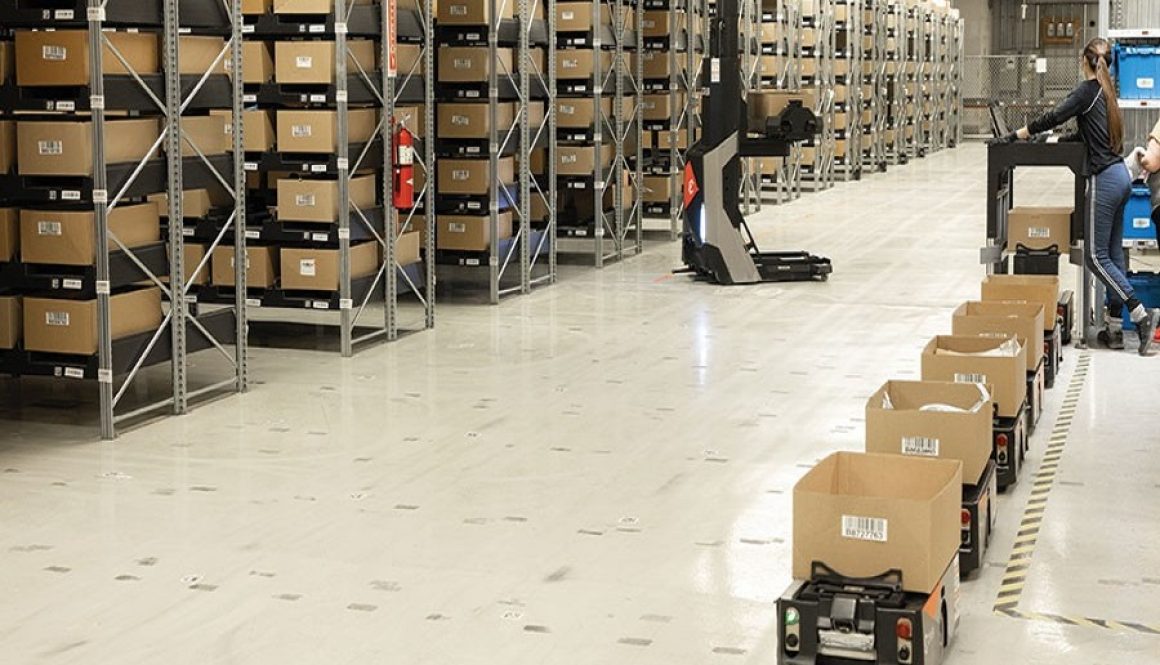
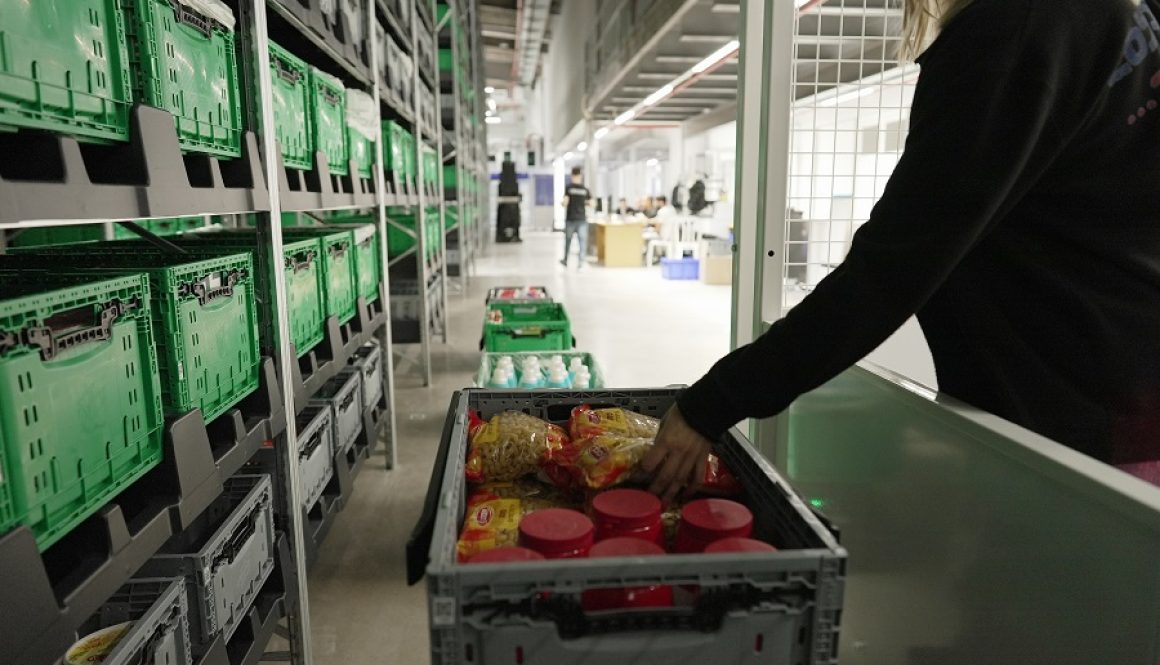
 Manual picking is one of the most labor intensive aspects of goods-handling. Think about it: you have to walk to the targeted rack, retrieve the product, put it in its proper tray or container, and then get walk to the next SKU’s location. All these little steps are cumbersome and time guzzling. Any improvements to this aspect of your warehouse will make a huge difference.
 You need your warehouse automation solution to adapt and scale to your warehouse’s volumes, but also, you need to know how big your automation solution needs to be to begin with based on your SKU volume.
 Since the birth of eCommerce, reverse logistics has boomed to massive proportions. Reverse logistics refers to the movement of goods backwards through the supply chain. This encompasses everything from returns to recycling materials.
 Warehouse’s will likely always need some kind of human intervention at certain stages of their operations. The current status quo is that warehouse’s rely heavily on human resources to power machines and execute tasks. This leaves a lot of room for risk and error that hinders productivity and profitability of the warehouse overall.
 In order to best gauge what kind of warehouse automation solution would best fit your needs, you need to also consider your peak to non-peak ratio. This means you need to understand the trends and peaks within your warehouse’s operational activity and choose a solution that has the ability to supply your demand.
 Implementing an automated warehouse should bring you positive results and a strong ROI within 2 years of launching it. Automation for your warehouse can be measured by the volume of the operation and how much your warehouse has been able to take on since implementing your automated processes.